wafa

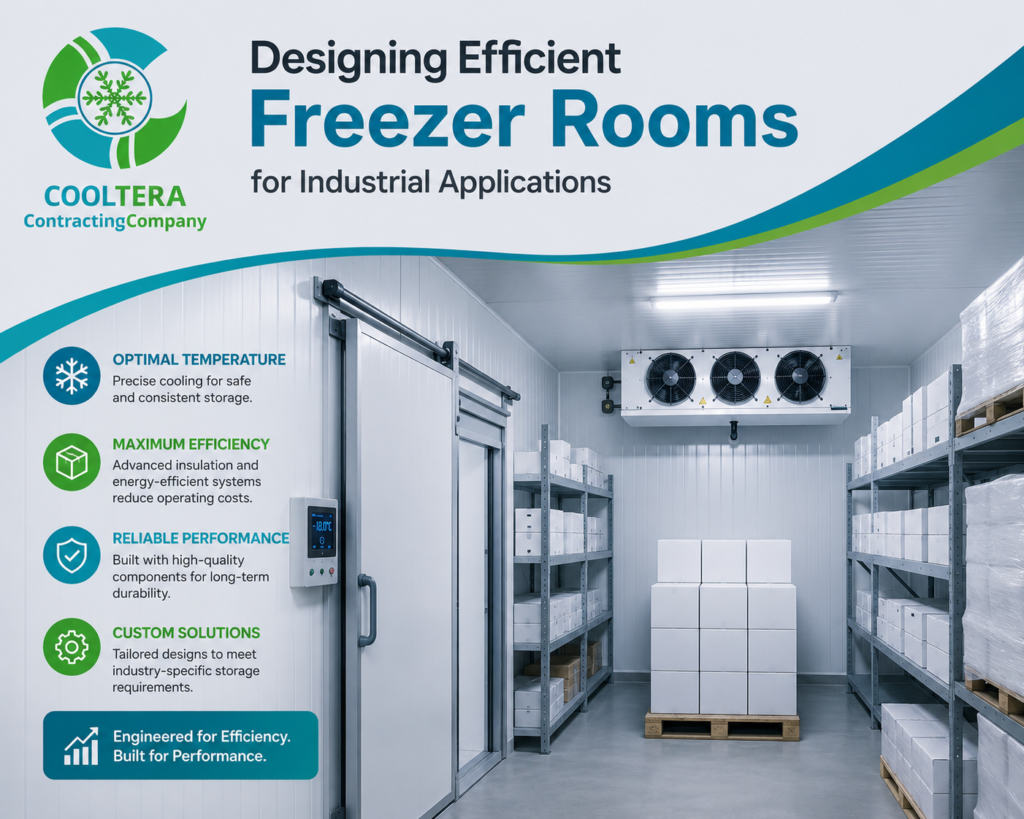
Efficient freezer room system for industrial refrigeration and storage applications

Designing Efficient Freezer Rooms for Industrial Applications

Designing an efficient freezer room requires careful planning of refrigeration capacity, insulation thickness, and airflow distribution. This article explores the key factors involved in creating high-performance freezer facilities. It explains how engineering design affects energy consumption, temperature stability, and equipment reliability. Properly designed freezer rooms provide long-term value by reducing operating costs and supporting industries that depend on accurate temperature-controlled storage.

Designing Efficient Freezer Rooms for Industrial Applications Read More »
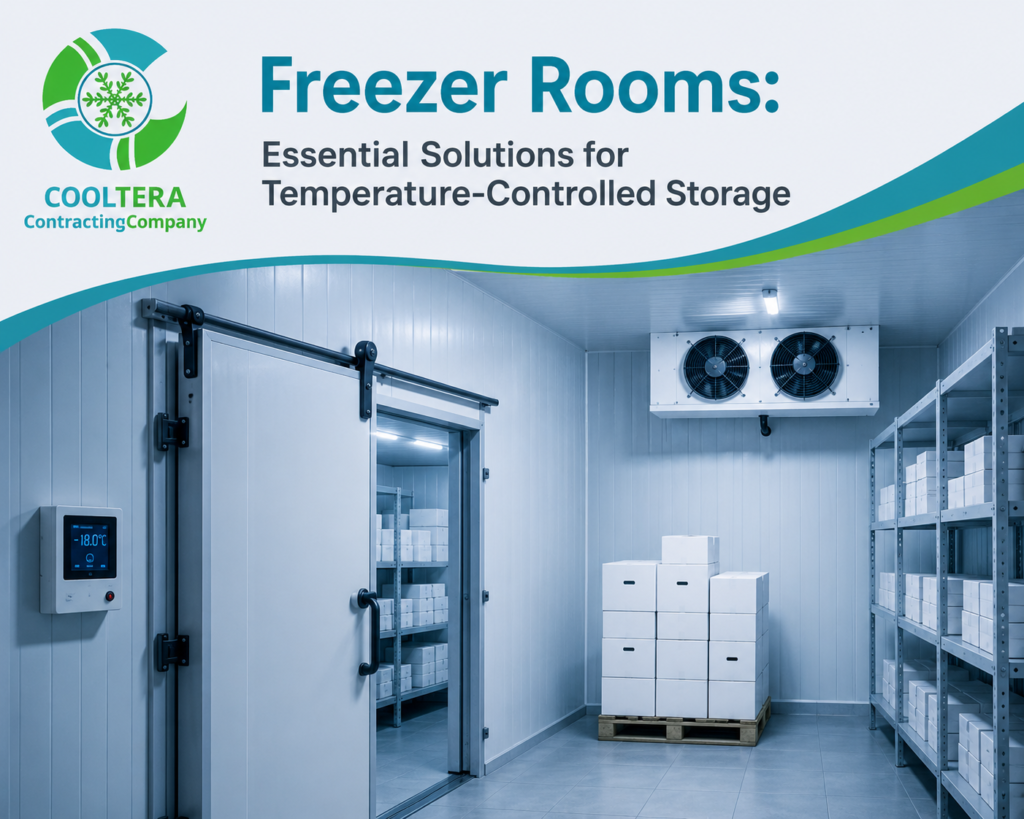
Freezer room system for temperature-controlled storage and frozen product preservation

Freezer Rooms: Essential Solutions for Temperature-Controlled Storage

Freezer rooms provide reliable low-temperature storage solutions for industries that require frozen product preservation. This article explains how freezer rooms operate, including refrigeration equipment, insulation panels, and temperature monitoring systems. It highlights the importance of selecting suitable materials and professional installation to maintain stable conditions. Efficient freezer room solutions help companies protect products, improve storage capacity, and ensure consistent performance in demanding industrial environments.

Freezer Rooms: Essential Solutions for Temperature-Controlled Storage Read More »

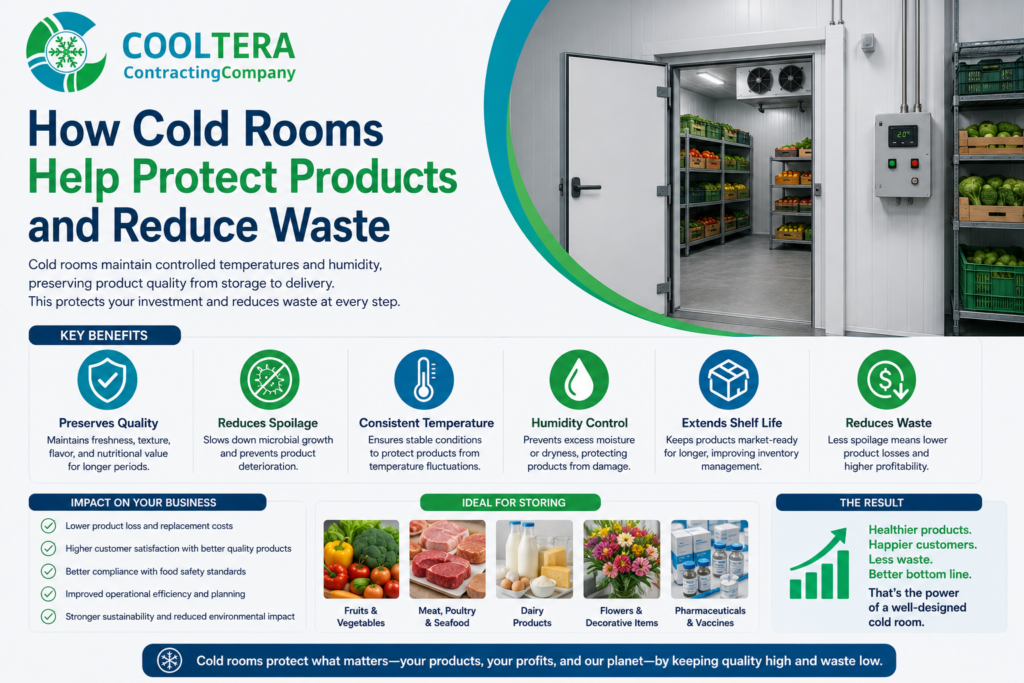
Cold rooms protecting products and reducing waste through controlled temperature storage

How Cold Rooms Help Protect Products and Reduce Waste

Cold rooms play a critical role in maintaining product freshness and extending storage life. This article explains how controlled cooling environments help protect sensitive products from temperature fluctuations and spoilage. It discusses the benefits of modern refrigeration technology, efficient insulation systems, and monitoring solutions. Businesses can improve operational efficiency and reduce waste by investing in properly designed cold storage solutions that match their specific requirements and industry standards.

How Cold Rooms Help Protect Products and Reduce Waste Read More »

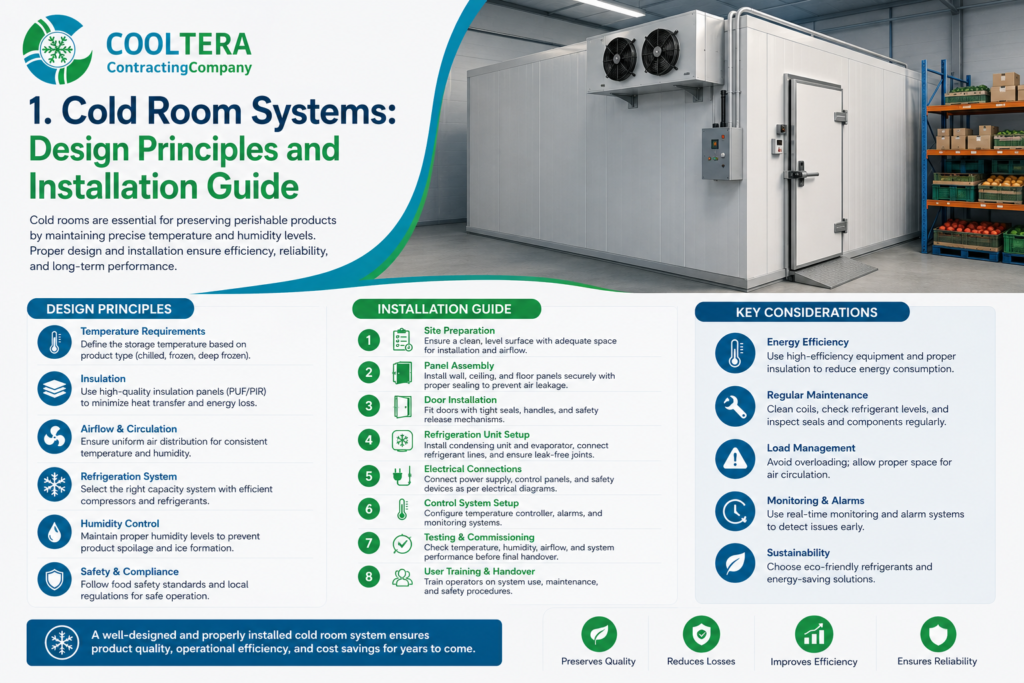
Cold room refrigeration system design and installation for temperature-controlled storage

Cold Room Systems: Design Principles and Installation Guide

Cold room systems are essential solutions for preserving products under controlled temperature conditions. This article explains the main design principles, insulation requirements, refrigeration components, and installation processes involved in building efficient cold rooms. It covers the importance of proper temperature control, airtight construction, and suitable equipment selection. Well-designed cold rooms help businesses maintain product quality, reduce losses, and achieve reliable storage performance for food processing, logistics, and industrial applications.

Cold Room Systems: Design Principles and Installation Guide Read More »

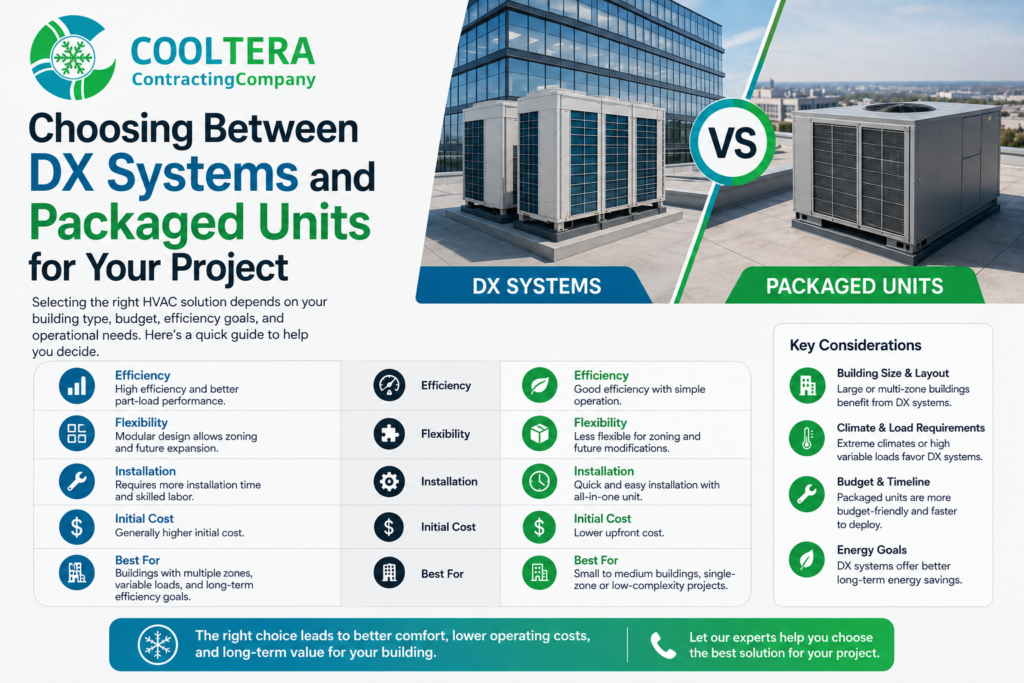
Comparison between DX and packaged air conditioning systems for selecting the right cooling solution

Choosing Between DX Systems and Packaged Units for Your Project

Selecting the right air conditioning system is an important decision that affects comfort, efficiency, and operating costs. This article compares DX systems and packaged units, explaining their differences, advantages, and ideal applications. It provides guidance on choosing the best solution depending on building size, usage requirements, and environmental conditions. Proper system selection ensures better performance, reduced maintenance needs, and improved energy efficiency throughout the equipment’s operational life.

Choosing Between DX Systems and Packaged Units for Your Project Read More »

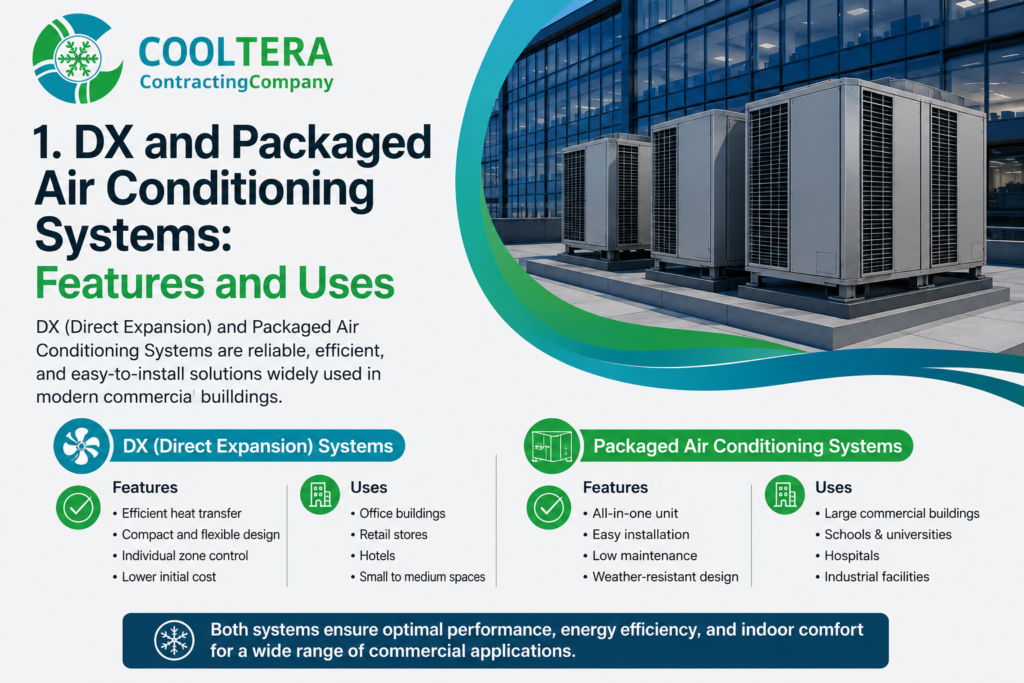
DX and packaged air conditioning systems used in commercial and industrial cooling applications

DX and Packaged Air Conditioning Systems: Features and Uses

DX and packaged air conditioning systems are practical solutions used in many commercial and industrial applications. This article explains the main components, operating methods, and advantages of these systems. It discusses how DX technology provides direct cooling through refrigerant circulation and how packaged units offer reliable performance for different spaces. The article helps readers understand suitable applications, installation requirements, and the importance of selecting the correct system based on cooling demand.

DX and Packaged Air Conditioning Systems: Features and Uses Read More »

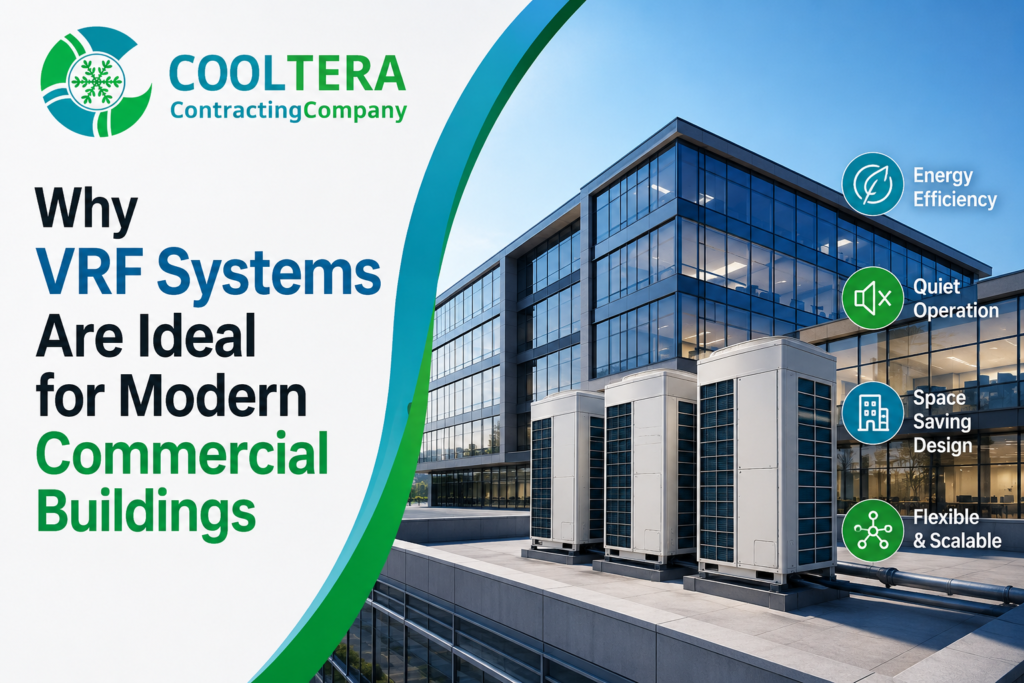
VRF air conditioning system installed in a modern commercial building

Why VRF Systems Are Ideal for Modern Commercial Buildings

Modern commercial buildings require air conditioning systems that provide efficiency, flexibility, and reliable performance. This article explains why VRF systems have become a preferred choice for many projects. It covers their ability to control individual zones, reduce operational costs, and provide customized comfort levels. The article highlights the benefits of advanced VRF technology, including compact design, lower energy usage, and easy integration with building management systems for improved monitoring and control.

Why VRF Systems Are Ideal for Modern Commercial Buildings Read More »

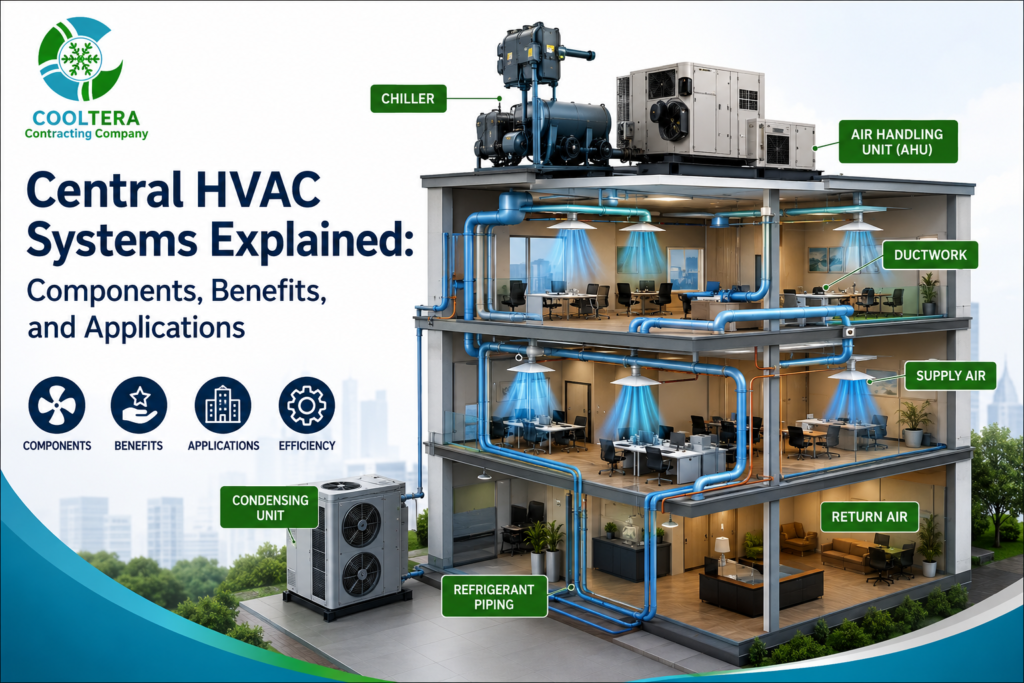
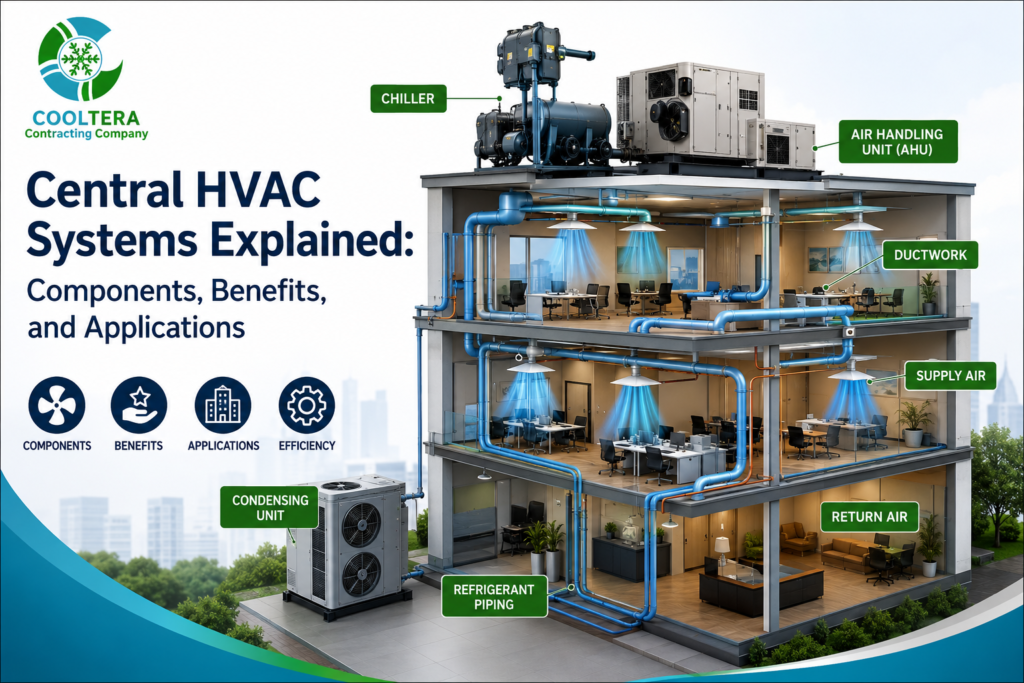
Central HVAC systems are among the most reliable solutions for cooling large commercial and industrial buildings. This article explains how central air conditioning systems operate, including chillers, air handling units, fan coil units, and air distribution networks. It highlights the main benefits such as improved comfort, energy efficiency, stable temperature control, and long-term performance. The article also explains where central HVAC systems are commonly used and why proper engineering design is essential for achieving the best results.

Central HVAC Systems Explained: Components, Benefits, and Applications

Central HVAC systems are among the most reliable solutions for cooling large commercial and industrial buildings. This article explains how central air conditioning systems operate, including chillers, air handling units, fan coil units, and air distribution networks. It highlights the main benefits such as improved comfort, energy efficiency, stable temperature control, and long-term performance. The article also explains where central HVAC systems are commonly used and why proper engineering design is essential for achieving the best results.

Central HVAC Systems Explained: Components, Benefits, and Applications Read More »

Central HVAC systems provide reliable cooling solutions for commercial and industrial buildings. This article explains chillers, air handling units, fan coil units, and air distribution systems. It covers benefits such as comfort improvement, energy efficiency, stable temperature control, and the importance of professional engineering

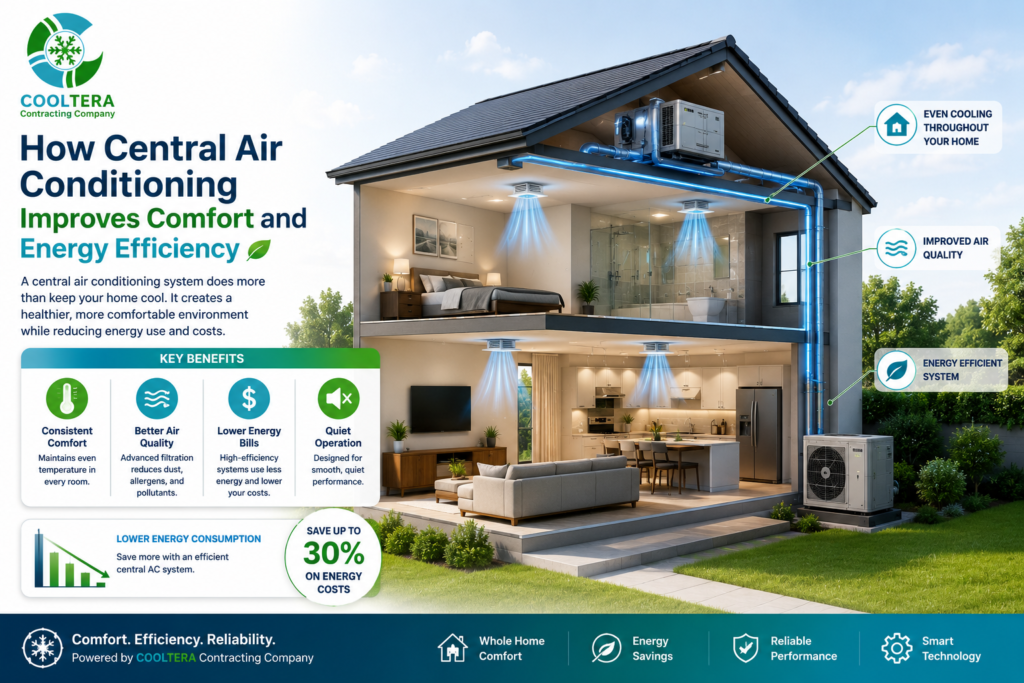
How Central Air Conditioning Improves Comfort and Energy Efficiency

Central air conditioning systems help maintain comfortable
indoor environments while improving energy efficiency. This article
explains temperature control, air quality improvement, correct system
sizing, installation methods, and maintenance practices that help reduce
operating costs.

How Central Air Conditioning Improves Comfort and Energy Efficiency Read More »